Showing posts with label Branding. Show all posts

Friday, January 10, 2025

How do cultural differences influence consumer behavior in brand recognition?

Cultural differences significantly influence consumer behavior in brand recognition in several ways:

Values and Beliefs
Different cultures have varying values and beliefs that shape consumer preferences. Brands that align with local values are more likely to be recognized and accepted.
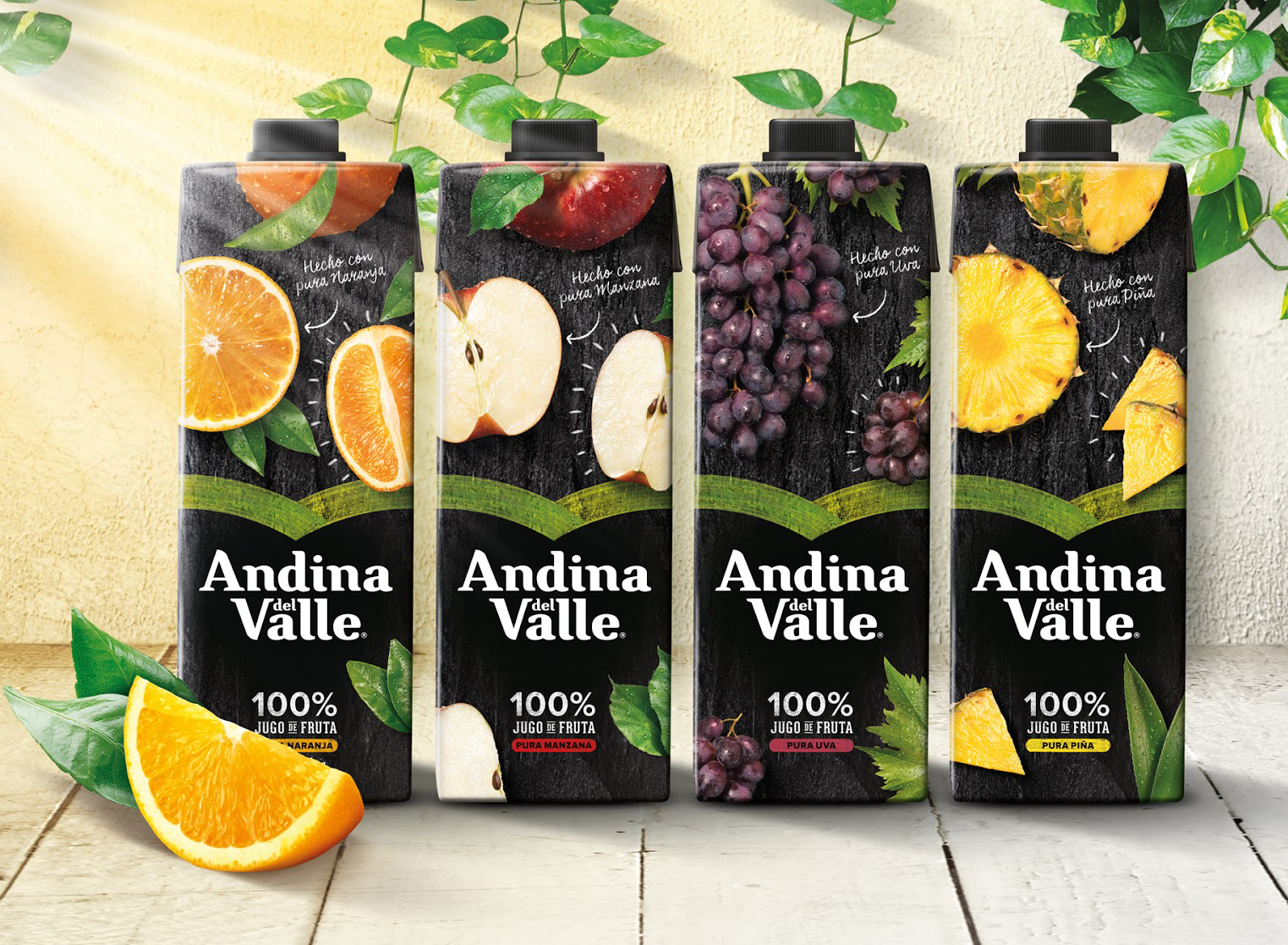
Would you buy a drink with black packaging? In Asia, it would be considered back omen.
Credits and Source: Andina Valle

Language and Communication
The way brands communicate, including language, tone, and messaging, can impact recognition. Brands that effectively use local languages and culturally relevant references tend to resonate better with consumers.

Symbols and Imagery
Cultural symbols, colors, and imagery can have different meanings across cultures. Brands must understand these nuances to avoid misinterpretation and to create effective marketing materials.

Social Norms and Behaviors
Cultural norms dictate consumer behavior, including purchasing decisions. For example, collectivist cultures may prioritize group consensus, while individualistic cultures may focus on personal choice.

Trust and Relationship
In some cultures, personal relationships and trust play a crucial role in brand recognition. Brands that prioritize building trust and rapport may be more successful in these environments.

Consumer Expectations
Different cultures have unique expectations regarding quality, service, and brand experiences. Meeting or exceeding these expectations can enhance brand recognition and loyalty.

Black is use in a clever way that brings out the type. Overall you see more white and orange color.
Credits and Source: Minute Maid/Coca Cola


Media Consumption
Cultural differences influence how consumers engage with media. Brands need to tailor their marketing strategies to fit the preferred channels and formats of different cultural groups.

Lifestyle and Trends
Cultural contexts shape lifestyle choices and trends, affecting which brands become popular. Brands that adapt to local trends can improve their recognition among consumers.

Global vs. Local Identity
Some consumers may prefer global brands for their perceived quality and prestige, while others may favor local brands that reflect their cultural identity. Brands must navigate this dynamic to optimize recognition.

By understanding and respecting these cultural differences, brands can enhance their recognition and appeal in diverse markets, ultimately driving consumer engagement and loyalty.

Tuesday, June 11, 2024

What are some benefits of good branding for a company?


Differentiation
A strong brand sets a company apart from its competitors by creating a unique identity and positioning in the market. It helps customers recognize and remember the brand, making it easier to choose over others.

Customer Loyalty
A well-established brand builds trust and loyalty among customers. When customers have a positive experience with a brand and resonate with its values, they are more likely to become repeat customers and advocates for the brand.

Premium Pricing
A strong brand allows a company to command premium pricing for its products or services. Customers are often willing to pay more for a brand they perceive as high-quality, reliable, and trustworthy.

Increased Market Share
Good branding helps a company gain a larger market share by attracting new customers and retaining existing ones. A well-known and respected brand can expand into new markets more easily, as customers are more likely to try new offerings from a brand they already know and trust.

Employee Morale and Attraction
A strong brand not only attracts customers but also attracts top talent. Employees are more likely to be proud and motivated to work for a company with a positive brand image and reputation.

Brand Extensions
A successful brand can leverage its reputation and customer loyalty to extend into new product or service categories. This allows for diversification and expansion of the business.

Crisis Management
In times of crisis or negative events, a strong brand can help protect a company's reputation. A well-established brand with a positive image is more likely to recover from setbacks and maintain customer trust.

Overall, good branding creates a competitive advantage, builds customer loyalty, and drives business growth for a company.

What is good branding?


Saturday, April 27, 2024

What is brand consistency, and how does it maintain creativity?

Working with a lot of companies, the stakeholders are so afraid of mis-communicating the brand that they work themselves into a box which constricts the brand growth and applications.

Brand consistency does not necessarily mean following it to the T at all times. While it is important to maintain a consistent brand identity, there is still room for flexibility and creativity within that framework. Brand consistency refers to the use of consistent visual elements, messaging, and brand values across all touch points and communication channels. It ensures that customers have a clear and cohesive experience with the brand.

However, this does not mean that a brand cannot expand or be more creative. In fact, creativity is essential for brand growth and innovation. The key is to strike a balance between maintaining the core elements of the brand and exploring new ideas and approaches. Flexibility allows brands to adapt to changing market trends, target new audiences, and explore new creative directions, while still staying true to their brand essence.

By being consistent in the core elements and values, a brand can establish a strong foundation and build trust with its audience. This provides the flexibility to experiment and be creative within the established brand framework, while still maintaining a cohesive and recognizable brand identity.

As for example, this is MTV latest logo:


And the logo is also recognizable in different designs. The main form is the big M. The question is how do you expand or adjust that your brand is still recognizable and strong?


Thursday, March 28, 2024

What are the elements of good design in digital applications?

The key elements of good design can vary depending on the context, but some common elements include:


Aesthetics
Good design is visually pleasing and engages the user. It involves the use of colors, typography, imagery, and layout to create an appealing and harmonious visual experience.


Simplicity
Good design is often characterized by simplicity and minimalism. It aims to eliminate unnecessary complexity and distractions, making it easier for users to understand and interact with the design, especially if it applies to web or mobile interactions and user interfaces.


Consistency
Good design maintains consistency across different elements, such as colors, typography, and layout. Consistency helps users navigate and understand the design more easily.


Clarity
Good design communicates its message clearly and effectively. It uses clear and concise language, intuitive navigation, and appropriate visual cues to guide users and ensure they understand the intended message or action.

Functionality
Good design should serve a purpose and be practical in its intended use. It should be designed with the user's needs and goals in mind, ensuring that it is easy to use and navigate.


Accessibility
Good design considers the needs of all users, including those with disabilities or limitations. It aims to be inclusive and provides equal access and usability to everyone.

Innovation
Good design is often innovative and pushes boundaries. It introduces new ideas, concepts, or technologies to improve the user experience and solve problems in creative and unique ways.

These elements work together to create a cohesive and effective design that not only looks visually appealing but also fulfills its purpose and provides a positive user experience.

Friday, March 22, 2024

Do you do need a brand makeover?

The lifespan of a brand can vary depending on various factors such as industry, market trends, and target audience. Some brands can last for decades, while others may need updates more frequently. 


There are several indicators that may suggest it is time to update a brand. These include:


Evolution of the market

If the market and consumer preferences have significantly changed, it may be necessary to update the brand to remain relevant and competitive.


Outdated visual identity

When the brand's visual elements, such as logo, colors, or typography, look outdated or no longer resonate with the target audience, a brand update may be needed.


Brand misalignment

If the brand's values, messaging, and personality no longer align with the company's current vision, mission, or target audience, updating the brand may help realign the brand identity.


Mergers or acquisitions

In the case of mergers or acquisitions, a brand update may be required to reflect the new company's identity and positioning.


Negative associations

When a brand has developed negative associations or experiences a significant reputation crisis, rebranding may be necessary to rebuild trust and improve perception.

Ultimately, the decision to update a brand should be based on careful consideration of the brand's performance, market dynamics, and strategic goals. Regular brand audits and market research can help determine when a brand update is needed.


Monday, July 3, 2023

What is good branding ?

In today's digital age, a good brand should have the following characteristics:


1. Authenticity: Consumers want brands that are honest and transparent about their values, beliefs, and practices.

2. Consistency: A good brand should have a consistent message and image across all channels, including social media, website, and advertising.

3. Engagement: Brands that engage with consumers on social media and other digital channels are more likely to build loyal followings.

4. Relevance: Successful brands are relevant to their target audience and are able to adapt to changing consumer needs and trends.

5. Personalization: Brands that use data and technology to provide personalized experiences to consumers are more likely to build long-term relationships.

6. Innovation: Brands that are innovative and embrace new technologies are more likely to stay ahead of the competition.

7. Social Responsibility: Consumers expect brands to be socially responsible and to have a positive impact on the world.

8. Customer Experience: A good brand should provide a seamless and enjoyable customer experience across all touch points, including mobile, web, and in-store.


Tuesday, June 13, 2023

7 Pillars of Brand Marketing

Today, I like to talk about the importance in branding in 2023 and what good branding can do. Marketing strategies have certainly changed and it affects all brands. Are you doing these 7 pillars in your branding strategies?


Recognition by Differentiation
Branding helps differentiate a company from its competitors, making it easier for consumers to recognize and remember the company and its products or services.

Strength in ID
A strong brand identity can increase customer loyalty and trust, leading to repeat business and positive word-of-mouth referrals.

Trust is Everything
Branding can help establish a company's reputation and authority in its industry, which can attract top talent, business partnerships, and investment opportunities.

Consistency is the Key
Consistent branding across all channels and touch points can help create a cohesive and professional image for the company, which can lead to increased credibility and legitimacy.

Define Your Brand
A well-defined brand strategy can guide a company's marketing and advertising efforts, ensuring that messaging and visuals are consistent and effective.

Higher Price Point
A strong brand can command higher prices for products or services, as consumers are willing to pay more for the perceived value and quality associated with a reputable brand.

Brand Up Online
In today's digital age, a strong online presence and social media strategy are essential for business success, and branding can help create a recognizable and engaging online persona that resonates with consumers.

It is always good to stop what you are doing and evaluate the current status of your brand. It might move off tangent so line it back up with today's market.


Tuesday, November 22, 2022

Standardize Web Shopping Cart Experience

 Hello Friends, 

Don't you think we should have a global shopping cart paying experience? As a consistent online shopper, you want to check out seamlessly and fast without having to think so much and finding out where are the essentials. Even when you are collecting your items, it should all be consistent in all websites, or mobile devices globally.

Here is one of a simple bold website that I like. The typeface has contrast, it is clean and clear.


Anything creative experiences should be on the homepage to be to impress your audience. While movement can be interesting, but too much, can be so irritating and annoying, especially if you are trying to read and get to the information. 

Any homepage on the website should have the basic info like: 

• Your logo – This is important as it states the presence of your brand. And as you scroll, anytime you click on the logo, everyone should know that it goes back to the home page.

• Contact – Contact info should always be at the expected placement. Either at the bottom of your homepage where the site map is or top right at the minimum, or have a page of contact in the menu bar.

• Service/product – This could be your shopping site, or individual service or product. Be clear and keep it clean looking.

• About us or the team – Talk about who you are as a company, your mission, objectives and goals. Add key people into the group like 6 people. This is to establish credibility that the customers can get a peace of mind that you have a good team working with you. If you are a one person company, tell how and why you started the company. People love a good story.

• Call to action – This is an area where you give something to get their email that gets lead generation or connection for the future of your company. It could be a 10% offer or a discount code, an online brochure info, something that your customers or clients would want and is worth for them to give you their email so that you can be connected.

• Your links to other social media platforms – These links are important because you would show traction of the likes and followers. Or your posts to keep your brand and product interesting and fresh.

I think in this day and age, everyone needs a website, to command an online presence. It could be as simple as a one page website. 

Here is some info on the best shopping cart experience:

https://www.convertcart.com/blog/cart-page-designs


Saturday, August 1, 2015

Tools for Startups

At Shamiko Design, we find out what your needs are, plan a branding strategy and design an impactful brand identity that is unique and strong... Communicating your brand promise.

Some people asked me "Sharon, Why do I need Branding?" The answer is simple: A strong brand design creates "pull" factor, in customers. It increases returns on investments, tells your company’s story and provides unique experiences. Therefore, giving you an edge over your competitors when choosing between products.

Branding through good design creates lasting impressions in people's hearts and minds, therefore, promoting brand loyalty.

STORY:
Celia, newbie at wines, goes to Safeway to buy a bottle of red wine for her dinner party, she was bombarded by all kinds of brands on the shelf and there was no taste test either. So the only thing left was to choose the best looking label and read what the content may be.  - Impression counts a great deal!


Creating a good brand design is the first step that provides tools you need to start your business before any marketing takes place. Marketing is the "push" factor that takes your products out to the market and gets your brand awareness out there.

A brand is much more than a name or a logo—your brand is your creative touch points for everything about your company. What I mean by touch points are the visual, physical, psychological and sensory aspects, which I will elaborate, in my later posts.

You may first start off with creating the name of your company and designing your logo and creating a brand identity that includes stationery, business cards, envelopes, invoice and electronic versions, as well or a PowerPoint slide template for your sales presentation to your customers.

[ Good Design is Good Business ]

To further build your brand, you may want to consider a website; which is your online store presence. Or design a white paper, flyers, posters, and a brochure, both digital or printed. If you have a physical storefront, a great impactful signage and creative interior design of the store can draw in customers and bring about experiences. Branding is all about creating experiences for your customers. 

Packaging/labels for your products is a must to tie in your identity to create a strong brand consistency. These tools are needed to give your company a cohesive and distinctive edge for starting your brand.

When you approach people, you can be proud when people go: "Ooooooooo... "

That itself says everything.


Brand Design for Cribatures showing the range of products in cohesion.

Monday, July 6, 2015

Brands Pull & Marketing Push

Branding is what your persona says about your company. It may be the look and feel of your product and your company, or it could be the performance of your product. It could also be your visuals, your story, your voice, and the impression people get when they experience your company. The reason I say "experience" is that the way your employees treat your customers reflects your brand. How your employees dress and perform also reflects your brand. How does each salesperson greet every customer?

In each case, as you build and extend your brand, your brand can elevate your company to different levels or categories that are relative to your target audience.

For example, when you are creating a brand extension, you already have a basic, successful business targeting a younger, mid-range audience, and you want more market share; hence, you extend your brand toward a higher income bracket. You may still keep your existing brand and create a different look and feel under the "same umbrella" for a higher income market.

The idea of PULL, yes, a brand pulls your customers toward you. They are attracted to the product, the company, the service, the performance, or the price. When the buying experience is good, your customers will be brand loyal to your company and its products/services. Some will become your advocates or be compelled to write about you, and some will recommend more business to you. Those are the results of having a good brand with positive experiences.

Some examples of tangible brand identity are your website, your logo, your stationery, marketing collateral, your location/interior, your storefront, your employees, your business card, and your products. Intangible branding is the persona of your company; it is also the voice, how the content is communicated consistently, what your employees say about you, your culture, and, in some cases, even the smell.

A great example is Singapore Airlines. When you approach the counter, there is a certain scent, and when you enter and leave the plane, the same scented fragrance lingers in the air, reminding you of Singapore Airlines. No airline has that detailed branded touch.

Marketing, however, is indeed a PUSH, pushing your products and services out to the marketplace to attract more customers to notice your company and products. There are many different ways to market your product, and you have to consider what resources you have within your budget to manage the promotions. There is no one-size-fits-all method for marketing.

Promotions involve social media marketing, trade shows, email marketing, campaigns, brochures/mailers, cross-sells, e-commerce sites, landing pages, white papers, magazines, radio ads, TV commercials, billboard ads, and more.

Make sure you have a good brand to start with, and then those will be the tools for you to market your company aggressively. The more targeted people who know about who you are, the greater the return on investment will be. Do not waste time on people who do not need your product. It is all about the right target and focus.

Tuesday, June 30, 2015

Good Design Brings in the Business

I just want to share with you a great digital business card online store, called Moo. What a great name! Sounds like a cow and I have no idea how it relates to printing but it sure sounds cute. The brand iD for a printing company is awesome and it really made me trust that online store and.... made me order some business cards using their templates... Ha! God Forbids... as I myself is a designer and very particular, and I just wanted to try the printing quality. I was pretty happy with the results.


Because...
1. The site looks professional and the templates are beautifully designed and well thought out.

2. The colors are appealing and fresh. It just makes me want to go through and check out the site.

3. Price is a huge issue with us isn't it? I think they were pretty expansive in the beginning but here, they were smart enough to have an offer.... and I took the advantage and printed some cards, I think that the "Offer" price point is what customers wants to pay. You have to be competitive in the market and provide quality products.

4. I like the way they started with just business cards... and concentrated on perfecting that part of the business and now they are launching flat fliers. In growing a business, it is OK to be small with a strong niche and you always have a chance to grow later. If you are good, you will have customers that will follow you. Like me... following Moo.

5. Moo guarantees their quality. Most online printing sites do not have this feature.

6. One more thing, did I tell you that when you get their cards it come in a beautiful box with their color brand strips and smart take-away of verbiage? Like, 5, 4, 3, 2, 1 liftoff - your new Mini Cards are here! What a brilliant line. So as you can see I am so impressed that I felt the need to share and write a blog about them.


Monday, May 11, 2015

Financial Stages of an Enterprise

Some things that an entrepreneur needs to know are these stages to get funding. Without capital, a business will never grow.


The first funding benchmark is the seed stage. This represents the initial capital used to do product and/or service development, patent filings, market surveys and research and business partner recruitment. The emphasis is on examining business idea feasibility and getting the firm ready to commence operations. These funds come predominantly from either the entrepreneur's personal savings, a severance package from a prior job, or cash raised from friends and family members. Many venture capital funds do not invest at the seed stage because the risks are very high.

The second benchmark comes when the venture is ready to launch. Also known as start-up financing, at this stage the business is seeing its first revenues but has yet to show a profit. This is often referred to as the series A round of investment and is typically where the enterprise brings in its first "outside" investors.

After a successful launch proves the viability of the business model, funds will be needed to further develop the marketing plan, hire more staff and management, and establish strategic alliances in the market. That third benchmark is often referred to as the second-stage, or series B, round.


The fourth benchmark involves securing a line of credit from a commercial bank at a time when revenues are gaining momentum. At this point--when monthly cash flow is at break-even--the business merits "working capital." No investors are involved at this point.

When the fifth benchmark arrives, the firm is typically looking to expand its operations at a faster pace. Internal funds (profits and lines of credit) are insufficient to support the development of assets and internal capabilities necessary for stronger sales growth. At this point, the firm seeks to raise another external round of capital from investors, the series C round. Here, capital is used to substantially ramp up existing operations and move the company into a significant position in the industry.

Source: David Newton

Monday, December 8, 2014

The Bata Brand

I, as with thousands of children had owned one of this shoe brand called Bata. Throughout my school days, it was compulsory to get shoes from Bata and now, learning about this brand, I must share it in my blog.

Bata, the brand perhaps best known in Singapore for its white canvas school shoes, will celebrate its 120th anniversary this year with the reopening of its newly-refurbished flagship store at Peninsula Plaza on Friday (Dec 5). Here are 10 things about the shoe brand.


Singapore's Bata factory opened in 1964 in Telok Blangah. Bata, the brand perhaps best known in Singapore for its white canvas school shoes donned by successive generations of school-going children, will celebrate its 120th anniversary this year with the reopening of its newly-refurbished flagship store at Peninsula Plaza on Friday (Dec 5). While it may be a household name in Singapore, just how much do you know about Bata and its shoes?


Did you know?

1. BATA IS NOT A SINGAPOREAN BRAND
Bata was founded in Zlin, Czechoslovakia. Today, the company operates 40 production facilities in 26 countries and runs 4,600 stores.

2. ‘BATA’ IS SOMEONE’S NAME
Bata got its name from its founder, Tomas Bata, who in 1894 registered the company with his two siblings, Antonin and Anna. It was first known as the T.A. Bata Shoe Company.

3. BATA HAS BEEN IN SINGAPORE FOR 83 YEARS
The first Bata shoe store in Singapore opened in 1931, in the Capitol Building on Stamford Road. It’s still there today, now joined by more than 40 Bata stores.


4. WHY WERE THEY CALLED BM2000 SHOES?
There’s a high chance those of you born in the 1970s and 1980s wore these to school. BM2000 stands for Badminton Master 2000, though the brand tells us the 2000 has no specific meaning. You probably also remember applying white shoe polish on the shoes and hanging them out to dry on Sundays – then dabbing liquid paper to cover over stains as the week progressed. By the way, this model is no longer available in stores.


5. REMEMBER THESE TENNIS SHOES? THEY’RE 78 YEARS OLD
The first pair of Bata Tennis shoes – the iconic pinstriped sneakers with the distinctive rubber toe guard – was made in India in 1936 for students in physical education classes. They are being relaunched in conjunction with Bata’s 120th Anniversary, though you’ll have to make an online reservation to get hold of a pair.

6. MORE THAN HALF A MILLION PAIRS OF SCHOOL SHOES SOLD EACH YEAR HERE
Remember the tagline, “First to Bata then to school”? It still applies today. Each year, Bata Singapore sells more than 650,000 pairs of white canvas shoes.


7. BATA: ONCE WORN BY FLIGHT ATTENDANTS
Flight attendants of Malayan Airways Limited, the precursor of Singapore Airlines, wore Bata shoes when they made their inaugural passenger flight from Singapore to Kuala Lumpur in 1947. In fact, the flight attendants wore custom Bata shoes from 1947 to 1962.


8. BATA IS ON THE AIRWAVES
Bata has an online radio station that offers a 24-hour mix of hits and international music. Radio Bata World can be heard at Bata’s flagship Peninsula Plaza store, and is also being rolled out in all Bata stores across Singapore. Want more? Download the app on iOS and Android devices.

9. BATA WAS THE FIRST STORE IN SINGAPORE WITH AN ESCALATOR
When the Bata Building on North Bridge Road was renovated in 1966, the outlet was the only store in Singapore with an escalator between its two floors. The escalator’s still there.

10. THERE IS A BATA SHOE MUSEUM IN CANADA
This museum of footwear was opened in 1995 in Toronto, Canada, and now houses an international collection of more than 12,500 shoes and related items spanning 4,500 years of history. The museum’s founding chairman is Mrs Sonja Bata, the daughter-in-law of founder Tomas.


Monday, April 21, 2014

Most Effective Marketing Channels

The usage of videos and imagery have proven to be more effective than other media channels.

LinkedIn has documented research indicating that members of the "buying committee" are more likely to connect with vendors on LinkedIn than any other social media platform.


So, if video is good for business (Dell Inc. Enterprise Solutions Group increased its revenue 8% largely because its ramped-up video marketing efforts got 6.5 million views), and if LinkedIn is good for business, then combining the two makes sense.

Here are three ways to make that combo work for your B2B organization.
1. Turn your boring resume-looking profile into an interactive marketing tool
2. Generate more leads
3. Improve your outreach efforts

Read more: http://www.marketingprofs.com/articles/2014/24936/three-ways-to-use-videos-to-maximize-your-linkedin-marketing-and-lead-generation#ixzz2zYho1jpW
Source for Graphs: B2B Marketing Prof

Tuesday, December 3, 2013

Why Rebranding is Needed

You do not need a very complicated website to show the success of your company. That is a myth.

When a website get too complicated, it becomes a turn off and a click off. Customers have no patience to wait for the site load... and to read through everything to figure things out. Help your customers by making things simple.

Your customers can tell if your site is professional done or not. It is very important to promote the right branding image for your company. You do not want your site to be confusing but want at least 3 most important things you want your customers to take away. The rest should be information that leads the customers into your pages gracefully.

The 3 most important things are:
1) Your Brand Feel. For that gives confidence, creates value and professionalism that reflects reliability.
2) What your company does. That includes a logo and a brief description.
3) What you are selling. It could be shown in photos or short descriptions.
and...

The 4th important thing: Offers and Deals
In some cases, like e-commerce sites, offers or deals are important in the first page or in a landing page. This is because you want to make your customers feel valued. And by giving them a discount, they will look forward to more deals in future, checking your site and spreading the word around.

Do not forget that to reach recurring customers. You want to make your site fresh with new information. Maybe to have a new video every month, or the latest content that changes in one of the sections in the front page. That could be a link to new article or a recipe, or an introduction to a famous person, or winning an achievement etc.

Here is a site: BEFORE REBRANDING


Here is a site: AFTER REBRANDING


These are little important things to note when you are evaluating or creating your company's site.
Good Design Is Good Business.
ShamikoDesign.com

Wednesday, November 13, 2013

Thursday, September 5, 2013

Good Links to Branding

Good brands brings profits and influence people to buy your product or services
http://www.forbes.com/sites/mckinsey/2013/06/24/why-b-to-b-branding-matters-more-than-you-think/

Good brand gives good impressions
http://www.huffingtonpost.com/lisa-earle-mcleod/reinventing-you-why-defin_b_2949734.html

http://blog.us.cision.com/2013/04/why-your-personal-brand-matters-and-not-just-to-you/

Monday, October 1, 2012

Creating Consistent Copy For Multi Marketing Channels That Is Important To Your Brand

In a multi-channel marketing campaign, you must ensure that communication is consistent across the whole spectrum of your marketing endeavours.

1. Establish brand words
In order to ensure your messages are consistent, not only with each other but also with your core brand values, carefully consider the words you will use across all channels. Establishing and using a set body of brand words across your social media campaigns, emails and direct marketing efforts will strengthen your brand and help to ensure it is consistently communicating to your business customers.

It’s important to consider the style and tone used in each marketing channel. While the exact content of your copy will differ somewhat across channels, the overall qualities should remain the same. Using formal language in your marketing emails and then sending out a quirky off-beat message through social media may create brand confusion if it is not carefully done. This is where the aforementioned set body of acceptable brand words will really pay off: you should look to tweak the tone-of-voice between channels without sounding like a completely different brand.

2. Play to channel strengths
It’s important to define your key messages clearly from the outset and use the strengths of each channel to communicate these effectively. By identifying which of your brand messages are best suited to each channel you can boost their effectiveness.

Twitter, for example, gives B2B marketers the chance to get their message across in a single concise sentence of no more than 140 characters. This can be useful in giving your customers a quick heads-up on news and upcoming products. It’s also handy for quick-fire exchanges with customers. Using link-shortening tools can be a great way to direct Twitter users towards other websites, blogs or video sharing sites when you need to expand on the message. Email marketing, meanwhile, lends itself well to short snappy paragraphs with a series of meaningful headers, and can be supported by relevant images and videos that strengthen the message.

Twitter and Facebook, in particular, offer a great opportunity for B2B brands to communicate in a more direct, interactive and friendly way than traditional marketing channels like DM (bearing in mind the need to retain a standard lexicon for your brand).

3. Think strategy at all times
While each marketing channel has its own strengths and weaknesses, it is the coherence of your overall campaign that will determine the success of your digital marketing strategy. The purposes of your marketing efforts in each area should be underpinned by an overall strategy for increasing your brand’s visibility and bolstering its reputation.

When your brand’s values are communicated effectively and consistently across multiple channels, you provide your customers with a complete picture of what you’re all about and what you can do for them. On the other hand, if you communicate inconsistently or even contradictorily, you may confuse your target audience, leaving them unsure of what you’re offering.

4. Track your results
The key to an effective multi-channel campaign is keeping track of which marketing messages you are communicating, and where. In order to optimise your campaign for maximum results, it’s also necessary to monitor the success rate of each individual channel and hone your approach accordingly. Establishing a system for tracking and quantifying results is essential if you want your campaign to reach its full potential.

Once this system is in place, split-testing can be used to identify strong elements in each part of your campaign, and replace those that are under performing. In the world of Internet marketing, even tiny changes can make a difference, and taking the time to optimize your headlines and body copy according to what has been proven to work can really bring home the results.

Tuesday, August 21, 2012

10 Things Not To Do In Marketing

In any business you want to embark on, launching a product, a campaign, a service, or a new brand for your company, you got to do your homework otherwise costly mistakes can happen and failed business or campaigns.

You need to do your market research and testing to determine any campaign’s performance. This helps avoid guessing your potential customer’s needs. Also, make sure that you have tested your products/services, offers and packages.

Things Not To do:
1) Ignoring brand focus and positioning
Have proper focus and positioning for your brand. Your marketing approach should demand an immediate response from the recipient.

2) Lacking in focus on customer needs
Do you know your customers’ needs? You really need to know them well. If you don’t, how will you fulfill those needs better than others?

3) Targeting everyone
Though every company would love to be everything to everyone, it is not possible. You need to understand that by narrowing down your target audience, you increase the prospects of your brand. So it’s better to target only those groups you can deliver quality products to without making mistakes or over stretching your company.

4) Counting on rational thinking: Marketing campaigns are planned rationally. Consumers rely less on rationale and more on instinct when it comes to product purchase. So logically planned, rational marketing campaigns may not always smack the customer in the gut. Research has suggested that emotions play a major in role in purchase decisions and also sidelines reasoning along the way. So, play down the rationale and connect with your prospective customers at an emotional level.

5) Dependency on market research
Setting store too much by market research can be risky. Data generated by market research is not always accurate. Some researches can be misleading even. Consumers are not always sure or tell the truth about what they feel. So depending too much on market research can boomerang. Research is a boon for marketers. But it is to be used judiciously if you want to avoid backfiring campaigns.

6) Getting attracted to new tools
With the number of media marketing tools available today, it is prudent to not get carried away by the fancy, enticing promotions of those tools. It is always best to look at them with a critical eye and review before snapping one up for use. Stick by what you know works instead of grabbing a new tool just because its promotions were convincing.

7) Inadequate capitalization on USP (Unique Selling Point)
Your USP is an intrinsic aspect of your marketing plan. It is the point that sets you apart from your competitor businesses. One of the biggest mistakes is not focusing enough on your USP. Your USP is what will help you stand out and be heard over all the digital babble of companies. So, your USP should be the highlight of all your marketing campaigns; the star attraction that you build on. Marketers who have hit the bull’s eye in their marketing efforts have always focused on their USP. 

For example, when FedEx was introducing a new concept in shipping, it adopted the taglines: “When it absolutely, positively has to get there overnight” and “Relax it’s FedEx”. It is evident in the first tagline that FedEx is focusing on its USP, the new shipping concept. It has gone ahead and simply highlighted its USP in a no-nonsense approach. In the second tagline, the company is highlighting its brand value. FedEx is a trusted name in the shipping and courier business. Playing on its brand name reinforces this trust in the brand.

8) Collateral overspend
Just fancy graphics and brochures without solid insightful content will hardly impress people about your business. Customers will not appreciate your business if it looks like the rest in the industry. They are always on the hunt for a business that seems different from others. So, a simple but information-rich blog from your company on how they can use your products to get more business from their customers is what will work. This kind of an informative approach to customers is more beneficial in terms of leads than regular marketing material.

9) Neglecting branding and exposure
Consumer engagement is at the top of most business priorities these days. Including B2B businesses. However, along with engagement, branding and exposure are also very important in marketing. A solid, high value brand presence and increased exposure make sure that your business is on consumers’ minds. This results in increased leads and inquiries. So make sure that your marketing channels are keeping you ahead in the race for exposure to your target audience.

10) Wanting immediate ROI
The time a customer takes to purchase a product is directly related to various factors such as the cost of the product, time to market, where they are in the product lifecycle, decision makers involved etc. The time taken for a deal to close in B2B marketing is a result of the influence of a combination of these and many other factors. Expectation of ROI should reasonably depend on an estimate of the time that will be taken by the influence of the various influential factors.